
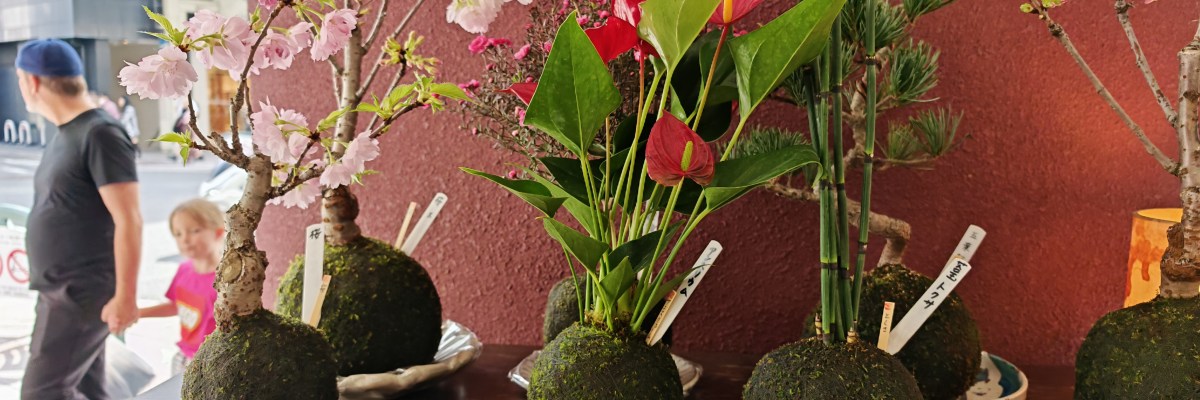
Today, I left Tokyo for Kyoto, marking a shift not just in location, but in atmosphere.
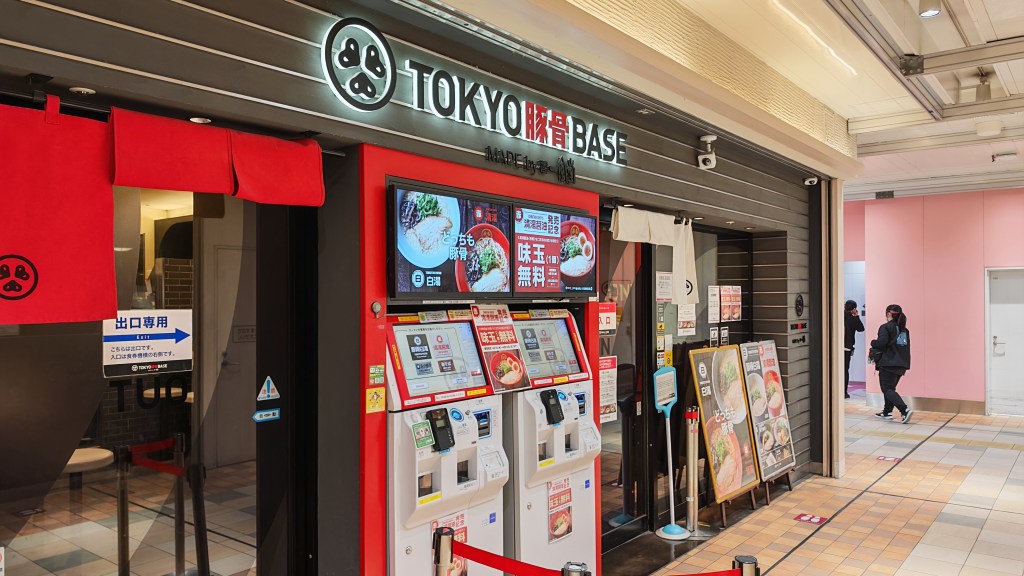
Before boarding the Shinkansen, I made a quick stop at Tokyo Tonkotsu Base MADE by Ippudo Ecute Shinagawa, tucked inside Shinagawa Station. A warm bowl of ramen in the early morning felt like the perfect way to begin the journey.
I arrived just as they opened, one of the few early customers. With no queue behind me, I took my time at the ticket machine—finally emptying the coins that had been weighing down my pockets over the past few days. There was something quietly satisfying about letting them go, one by one.
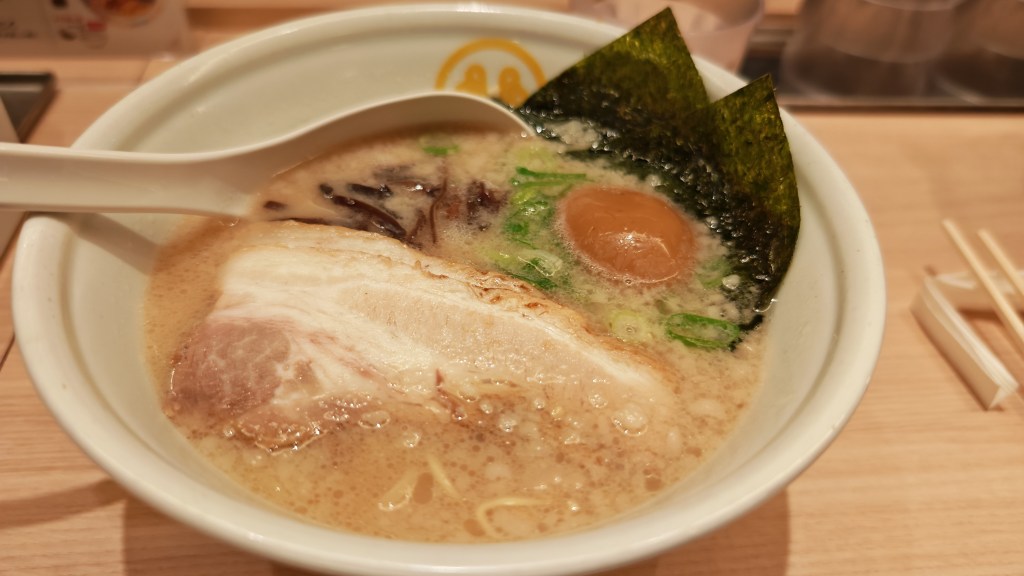
The ramen itself was rich and hearty, deeply comforting. Simple, but exactly what was needed.
Two hours later, I arrived in Kyoto, and my first thought was—lunch. And not just anything, but tendon. That perfect combination of crispy tempura over rice, drizzled with a savoury sauce.
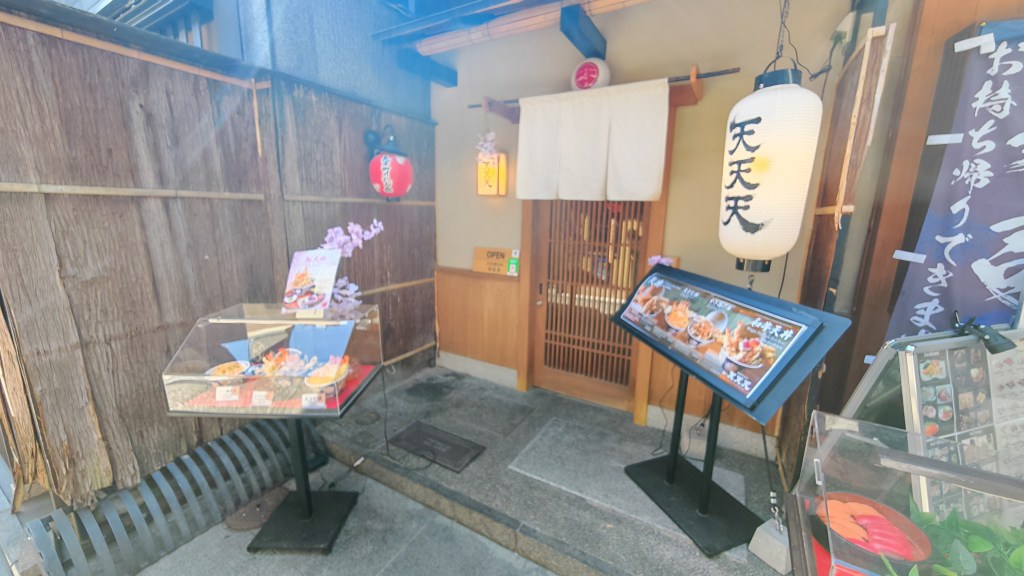
I found my way to Kyoto Tempura Tententen Pontocho, a small, intimate spot with seating for only about ten people. Everyone sits at the counter, facing the open kitchen. You watch the chef work—each movement deliberate, each dish prepared with care. The aroma of hot oil fills the space, immersive and unapologetic.
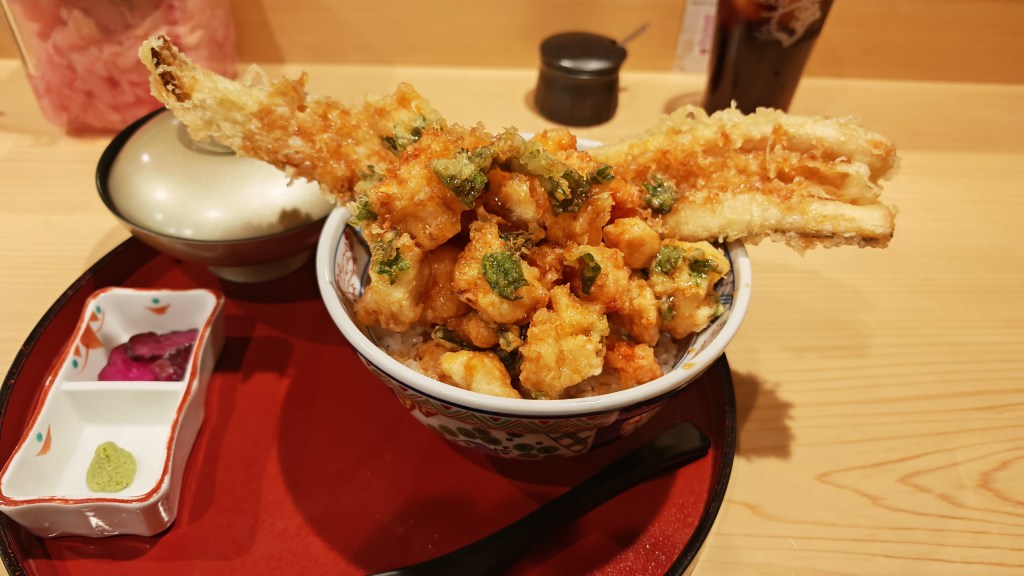
The tendon was everything I hoped for—crispy, rich, and deeply satisfying.
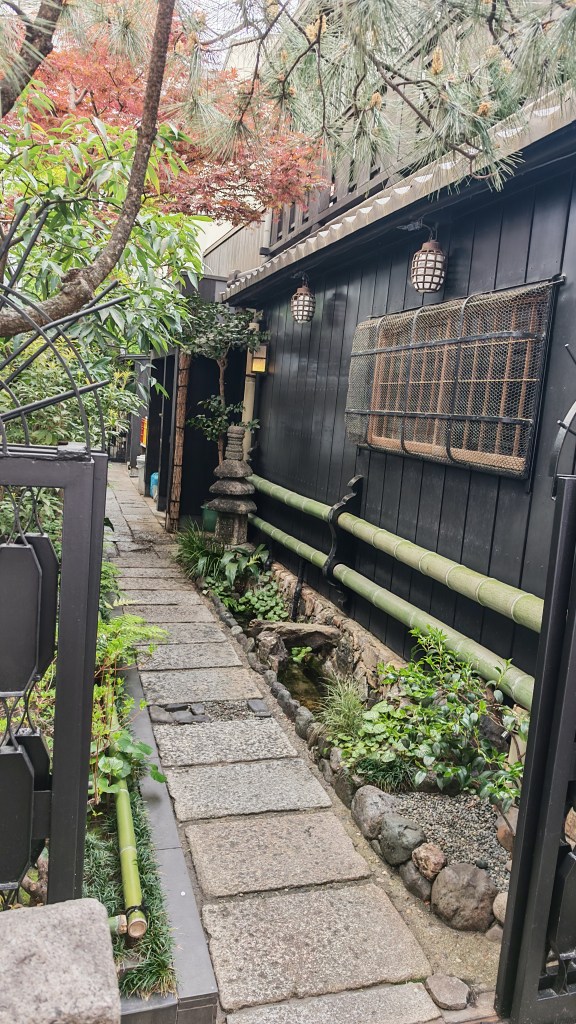
Before dinner, I spent some time wandering through Kyoto’s traditional shopping streets.
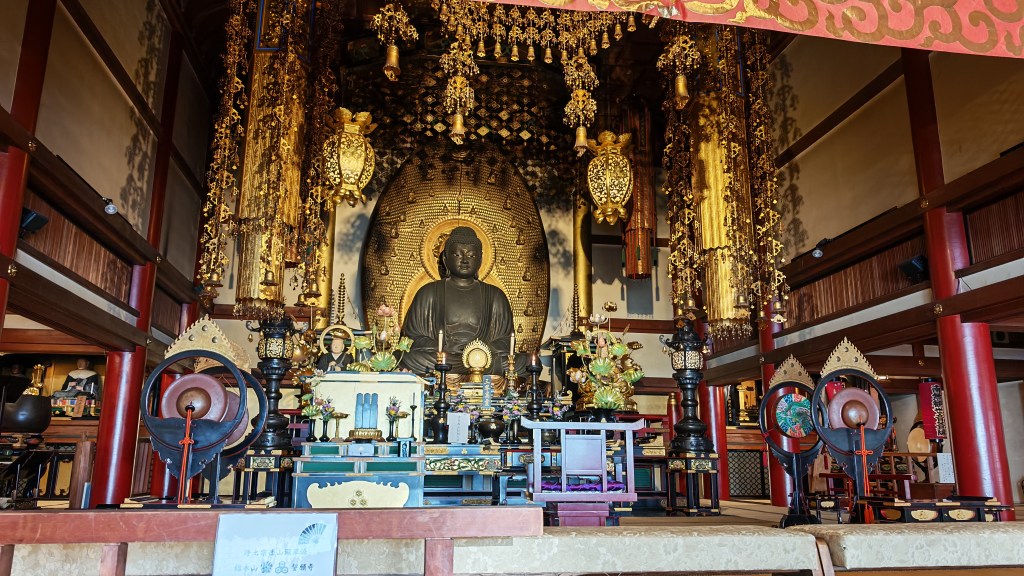
Tucked between the rows of shops, I chanced upon a quiet temple dedicated to Amitabha Buddha. Seigan-ji Temple誓願寺
Drawn in, I stepped into the prayer hall and, for a brief moment, practiced the nembutsu—softly reciting the Buddha’s name.
It was a simple pause, but it felt grounding. Amid the movement of travel, the crowds, and the constant doing, there was suddenly just stillness. No itinerary, no next stop—just a quiet returning.
Kyoto itself felt immediately different from Tokyo. While Tokyo moves with modern efficiency, Kyoto breathes with history. Incense shops, stores selling Buddhist ritual implements, and clothing infused with traditional design line the streets.
It is also crowded—tourists arriving in search of culture and tradition. Yet beneath the surface, there’s a subtle calm that lingers.
I found myself drawn to this atmosphere more than the sleek modernity of Tokyo. There’s something grounding about it—a sense of continuity, of something that has endured.
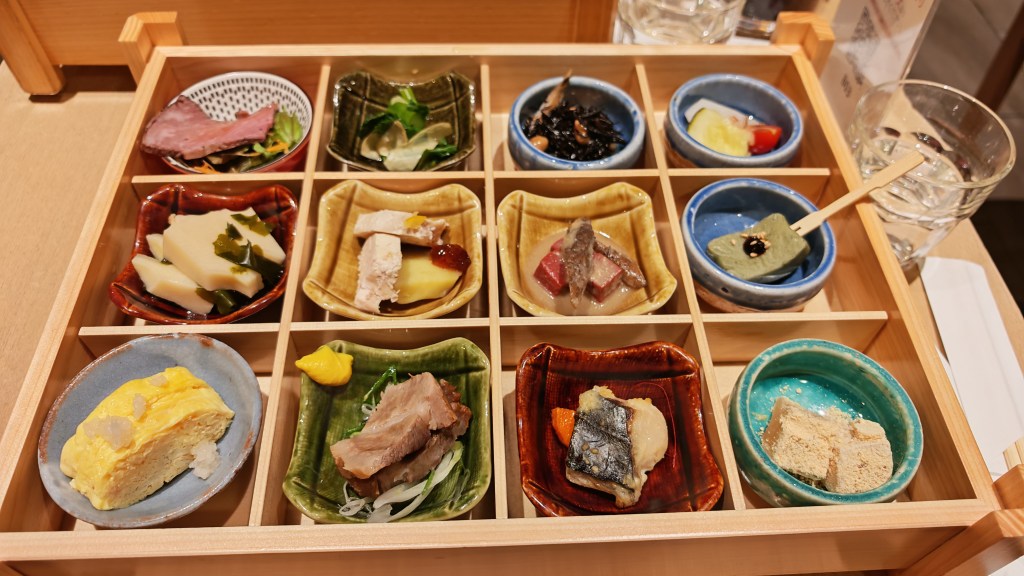
Dinner was at Minoru Dining Kyoto Porta, where I experienced a style of meal reminiscent of traditional home cooking. A bowl of rice paired with small side dishes—preserved vegetables, simple cooked meats—the kind of food one might quietly assemble at home.
It felt more like an experience than a feast.
The portions were modest, and I couldn’t help but feel that the price didn’t quite match what was served. Yet the restaurant was full, especially with female diners. Perhaps the appeal lies in its light, healthy nature—food that nourishes without excess.
As I reflected on the day, something became clear. In Tokyo, I was chasing experiences—what to eat, what to see next. In Kyoto, even with the crowds, something in me had begun to slow down.
Perhaps it wasn’t just the city that changed, but the mind.
And maybe that is the real journey—not just moving from one place to another, but remembering, again and again, how to return to stillness, wherever you are.
May all be well and happy.
Categories: Articles
 I am just an ordinary guy in Singapore with a passion for Buddhism and I hope to share this passion with the community out there, across the world.


 Bodhi-Bowl