大足石刻(Dazu Rock Carvings)
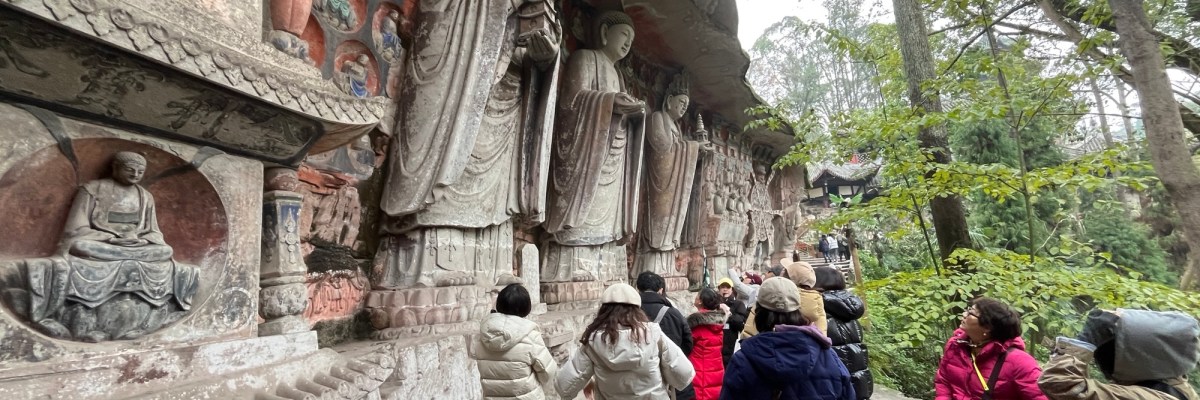
The Dazu carvings, originating in the early Tang Dynasty (650 AD), evolved over centuries, reaching their peak during the Song Dynasty. Expanding through the Ming and Qing Dynasties, the collection became a vast showcase of Chinese stone carving art. The carvings blend Buddhist, Confucian, and Daoist teachings, making them a key example of late Chinese grotto art and one of the finest achievements of southern China’s cave art.
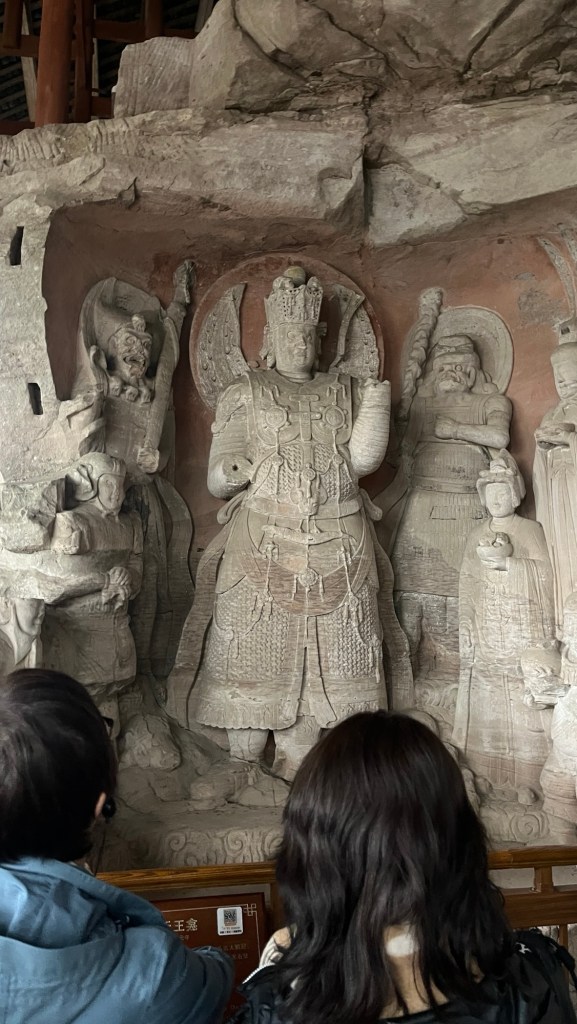
And it started with a general’s guilt after a war. To atone for the death that he caused, three Buddhist stone carvings were commissioned with fervent wish that peace would prevail.
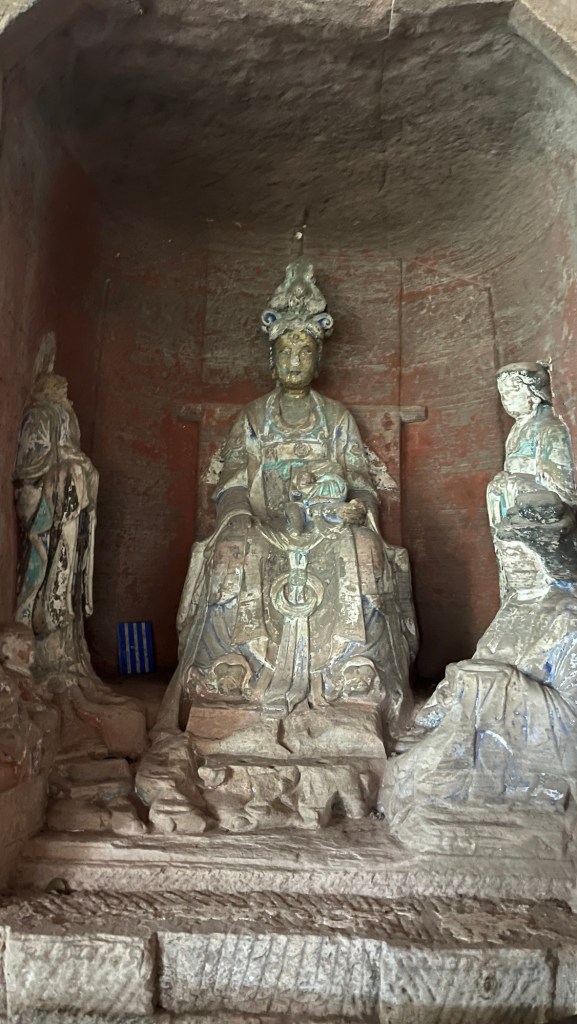
That started a trend for rich and powerful people to leave their marks on the mountain cliff. For example, a rich family probably prayed for a child and commissioned sculpture of Avalokiteshvara bearing a baby as a boon.
Less powerful people carved smaller and lesser artwork. Then an enigmatic lay Buddhist arrived to preach. He raised funds and inspired many sculptors to work tirelessly on projects that he envisioned. His objective was to promote Buddhism.
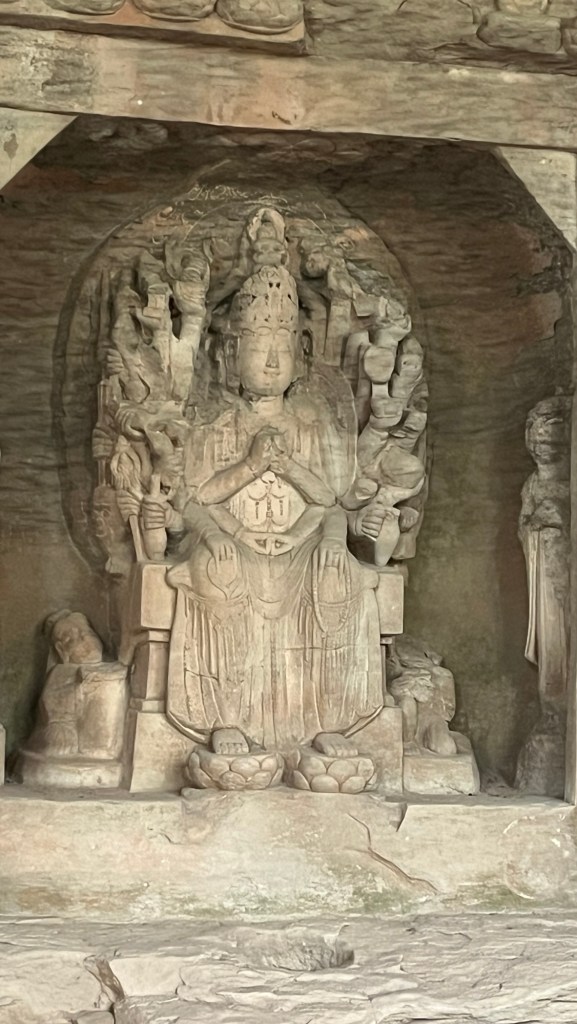
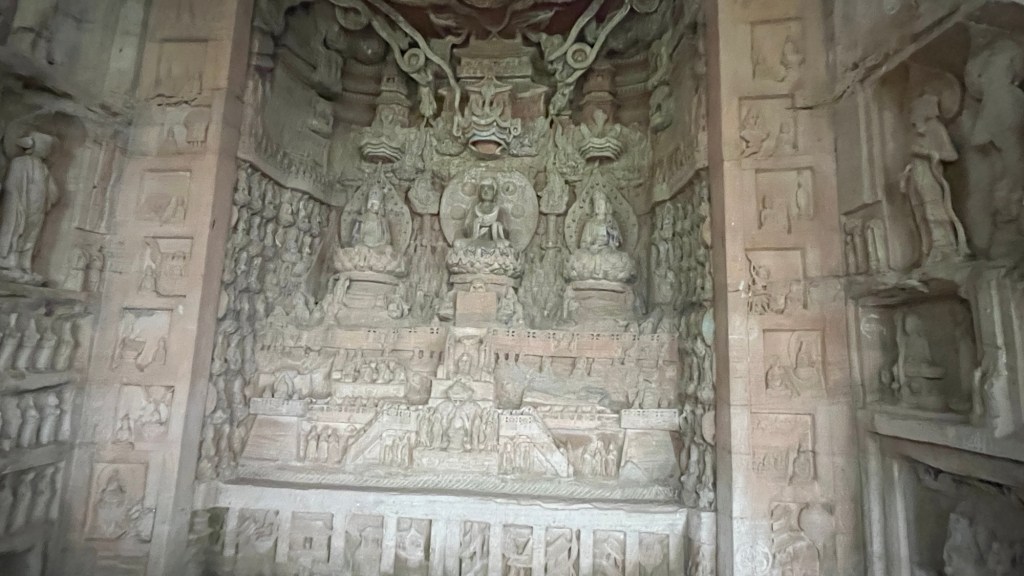
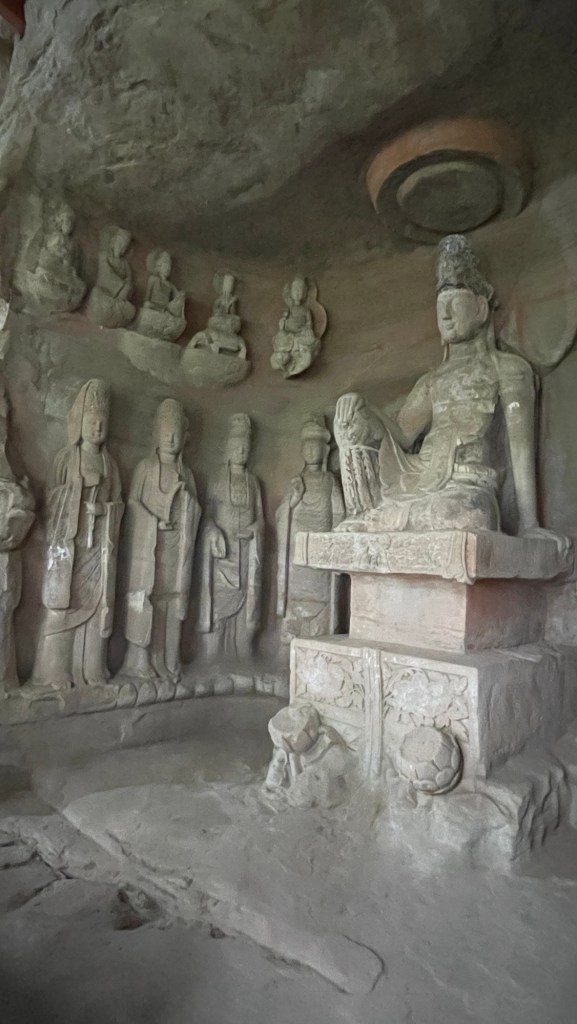
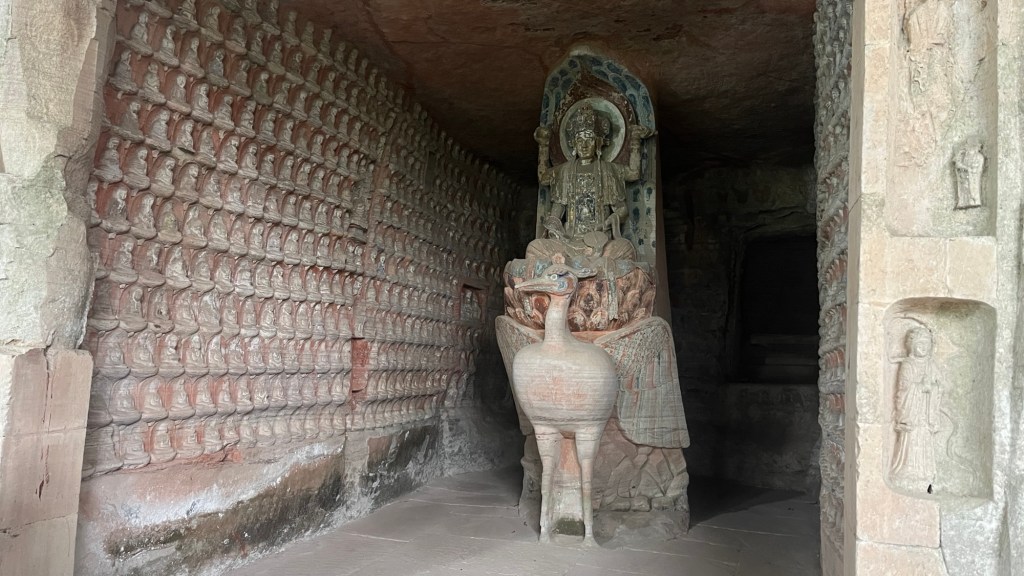
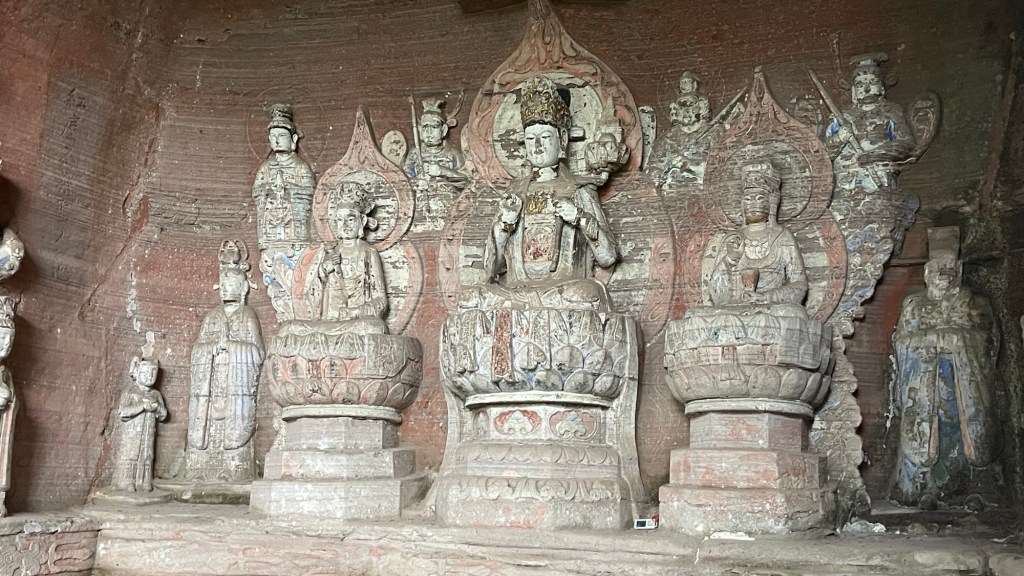
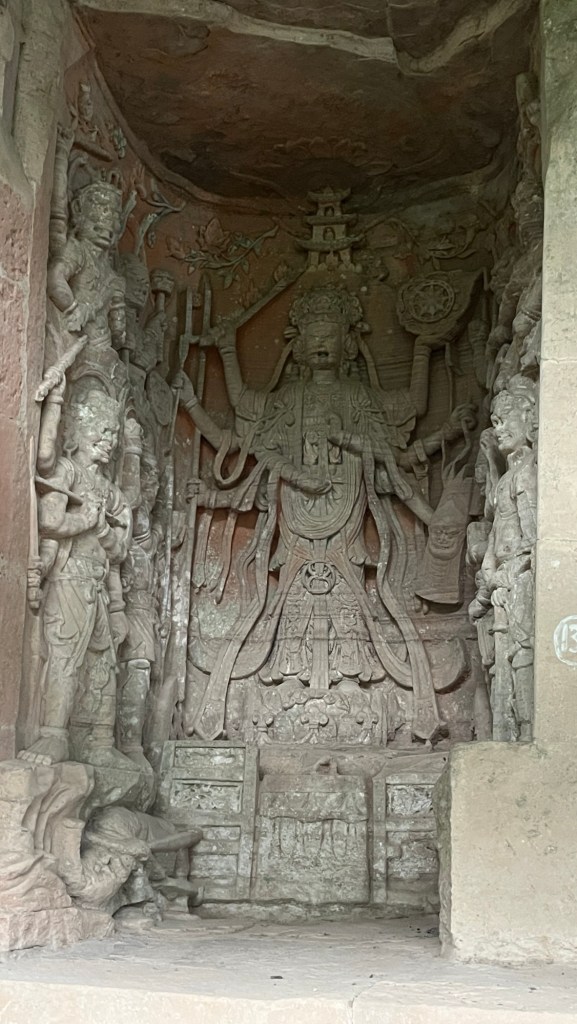
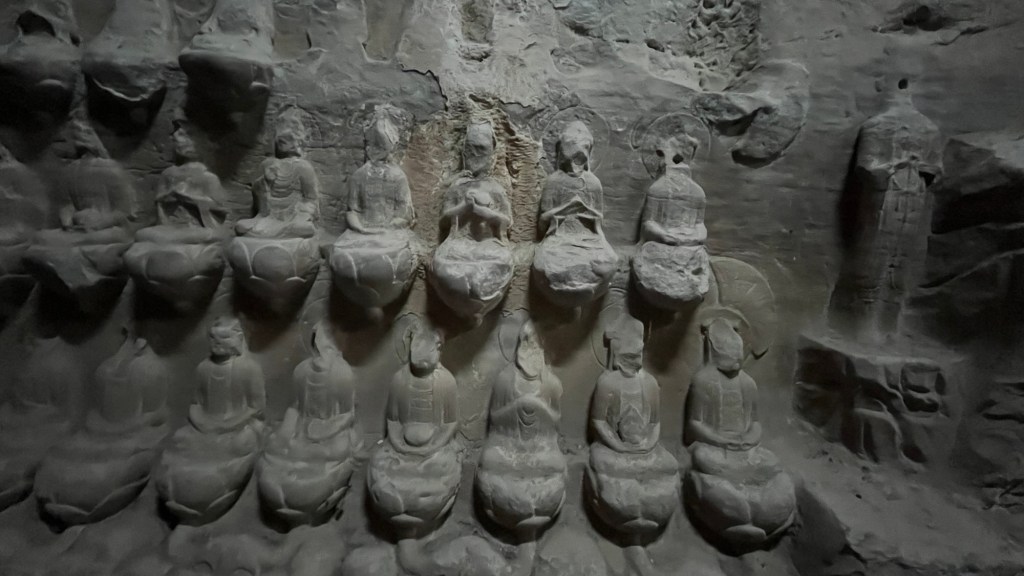
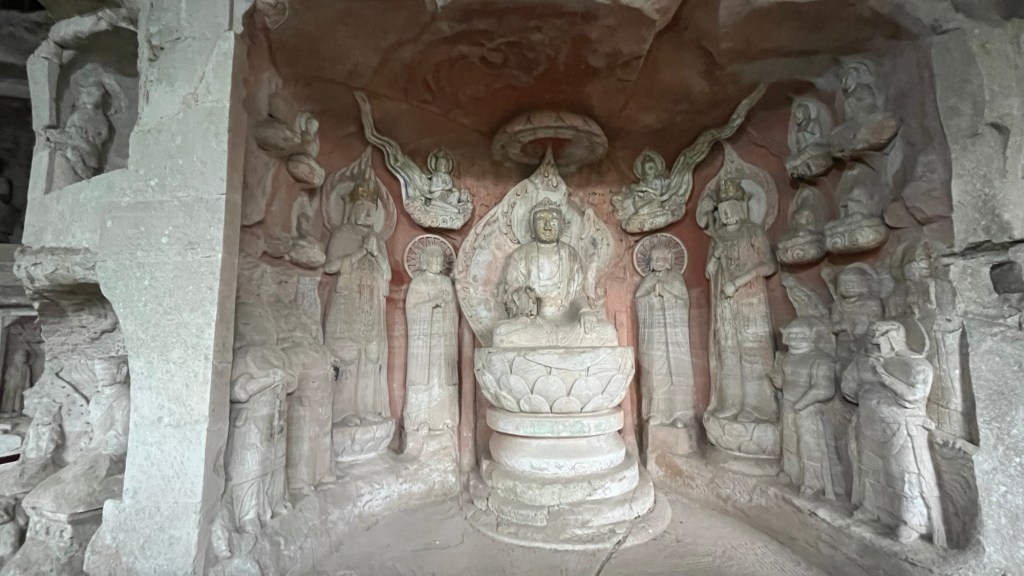
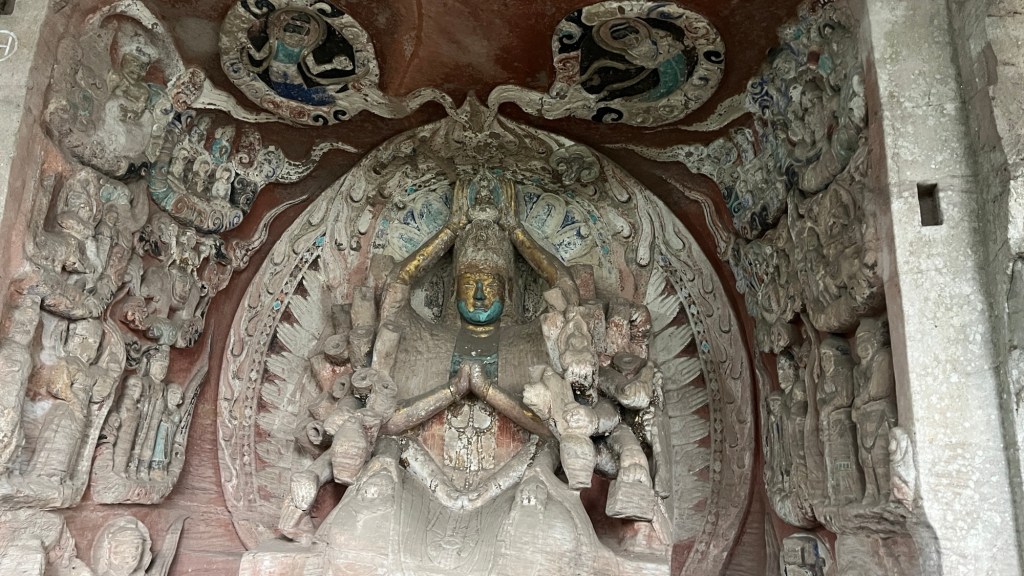
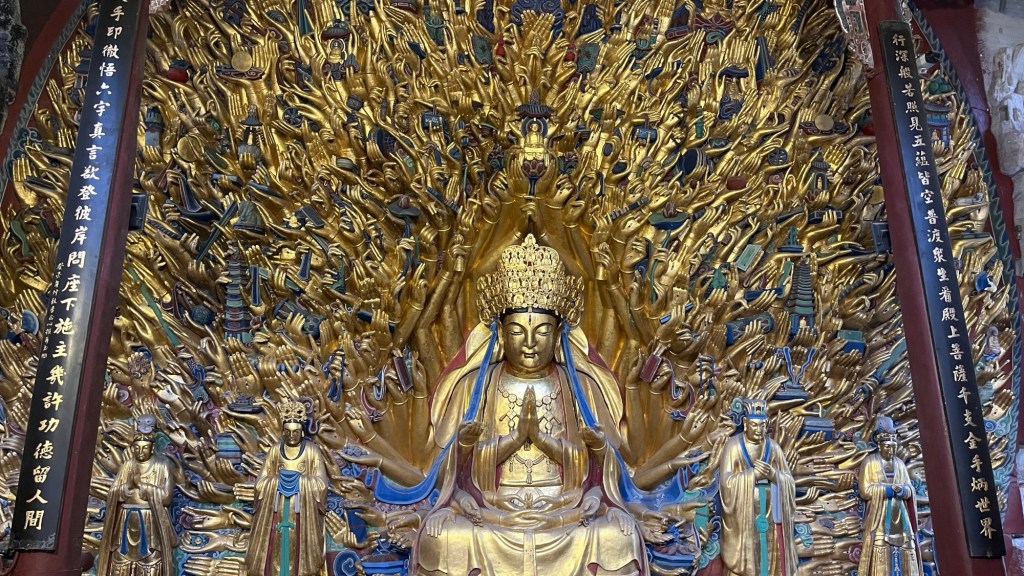
The epitome of his project resulted in a massive wall sculpture of avalokiteshvara with 1000 arms, all of them painstakingly sculpted from rock face.
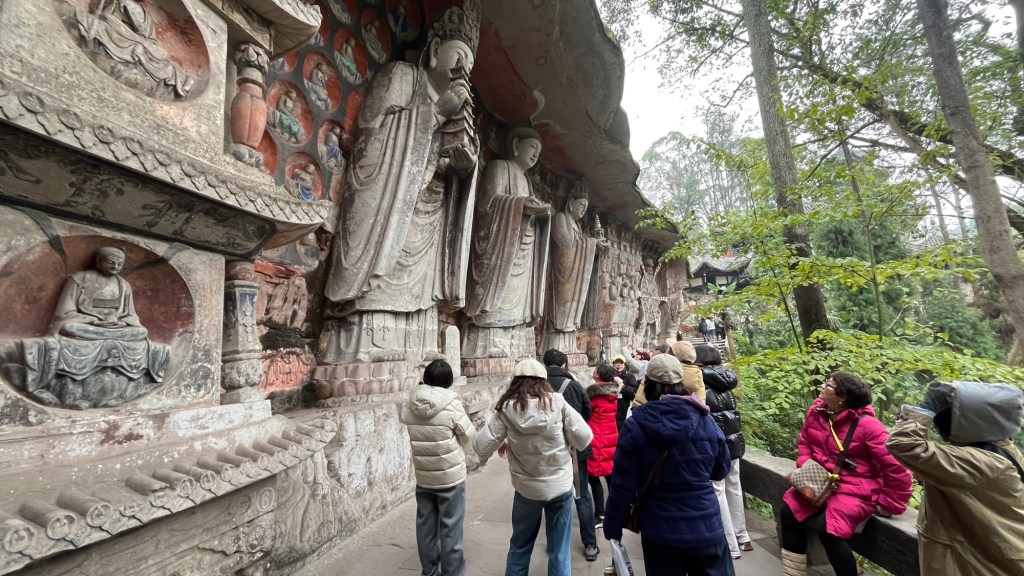
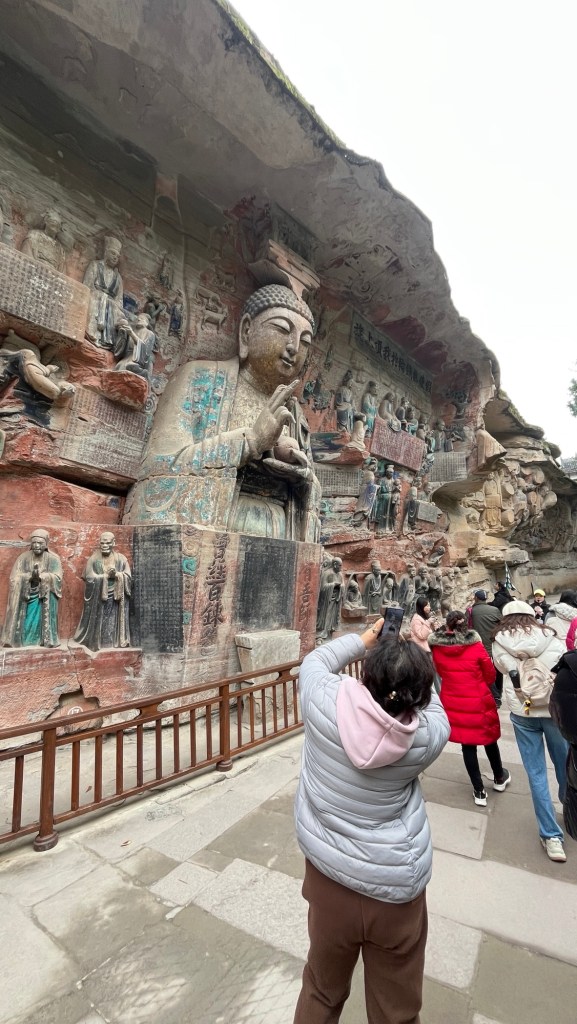
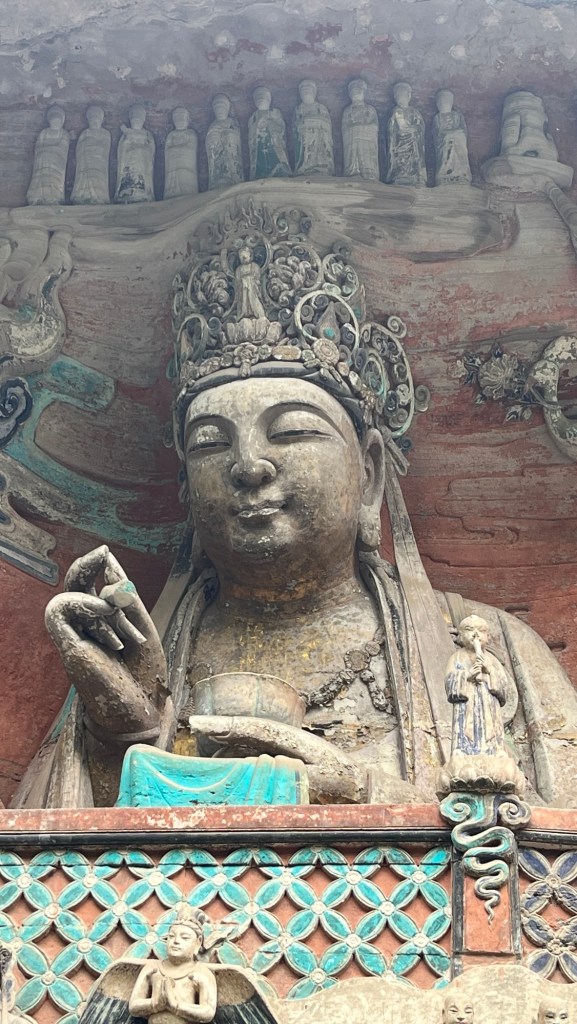
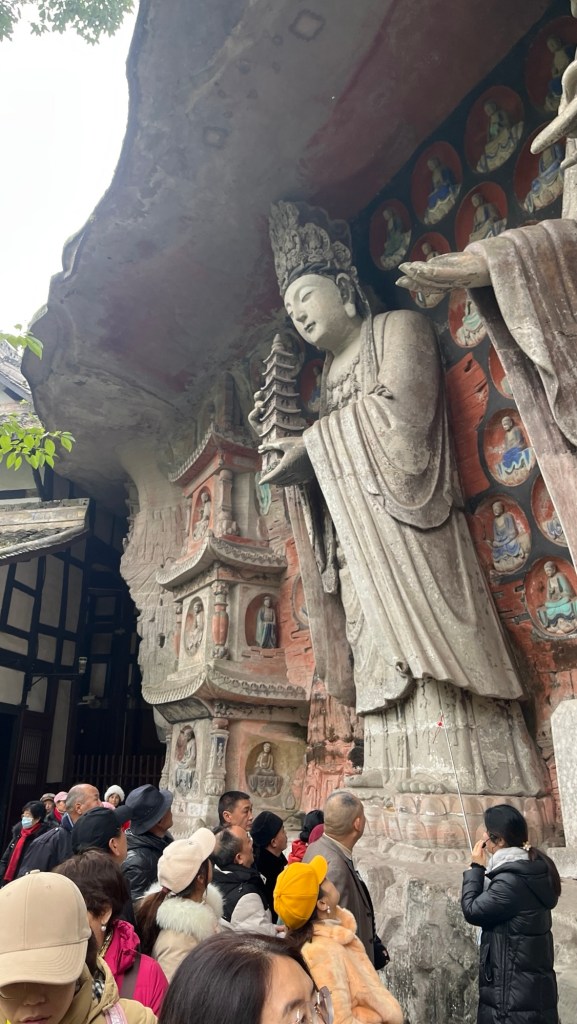
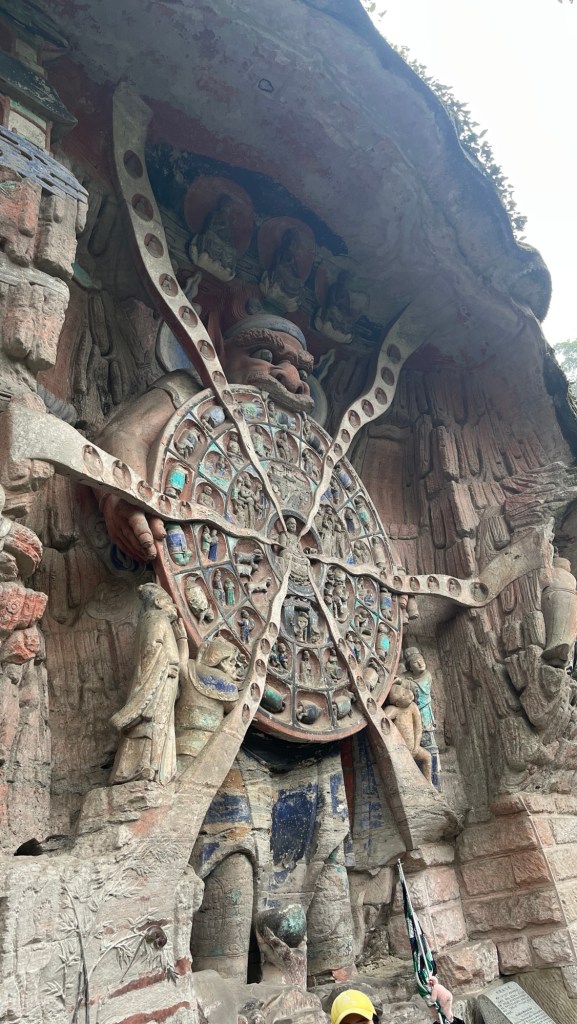
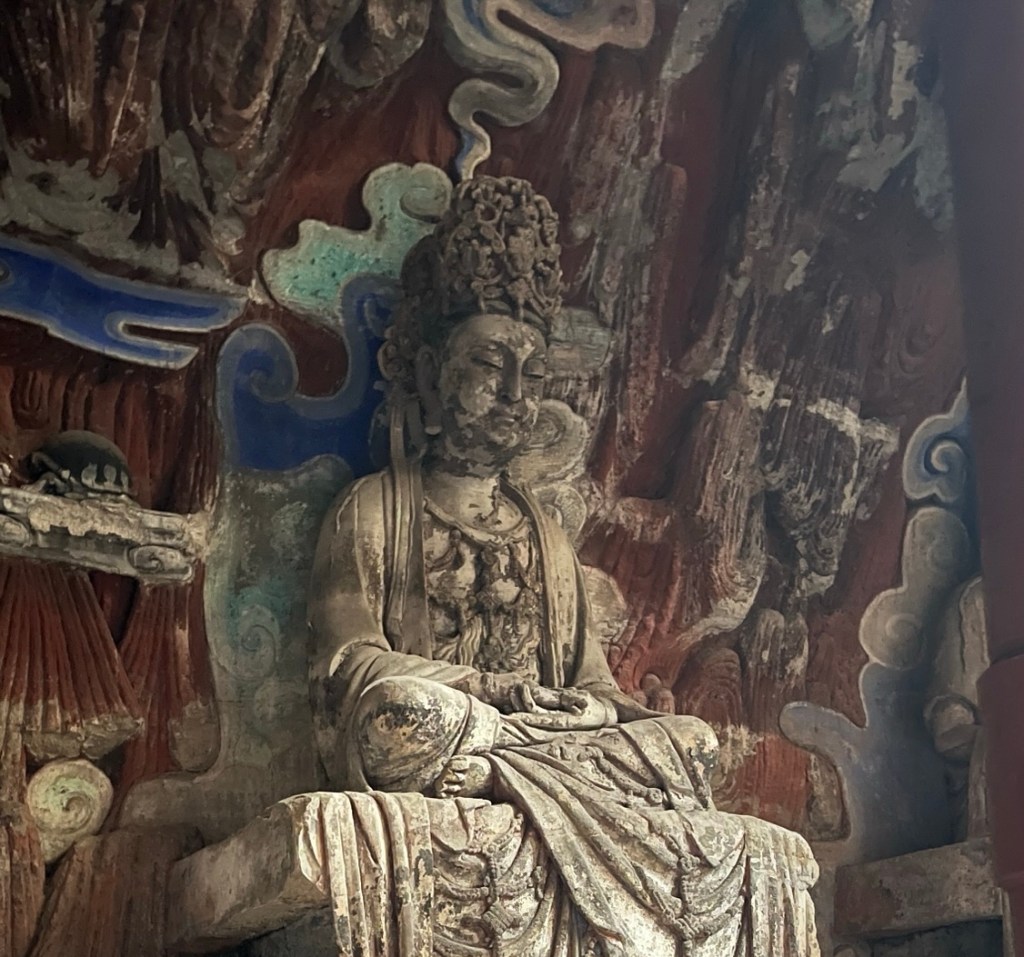
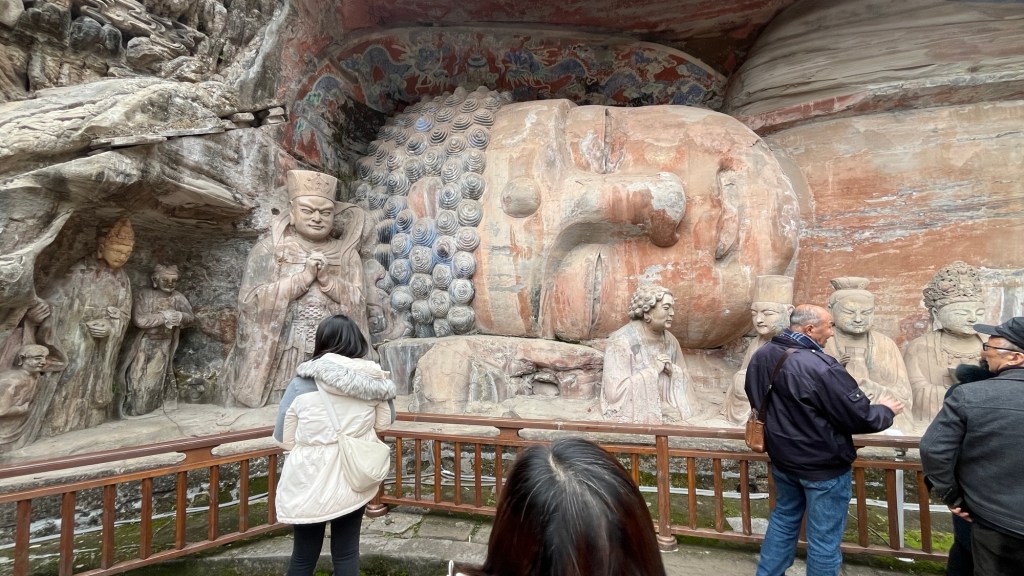
Imagine dedicating a lifetime to chiseling and carving your favourite Buddhist stories into the mountain rocks. And all of that was because you believed that those stories will benefit future generations, imparting them important principles.
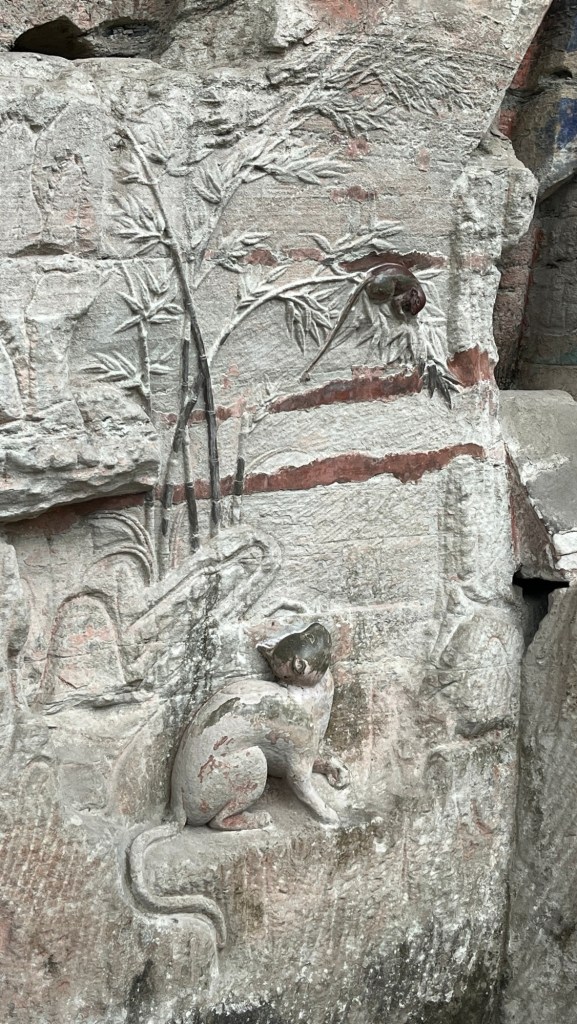
The suffering of not getting what you desire. The cat wished for the mouse, while the mouse wish the cat did not exist. But that is life.
Thousands of years later, I am still hearing these stories being retold by tour guides.
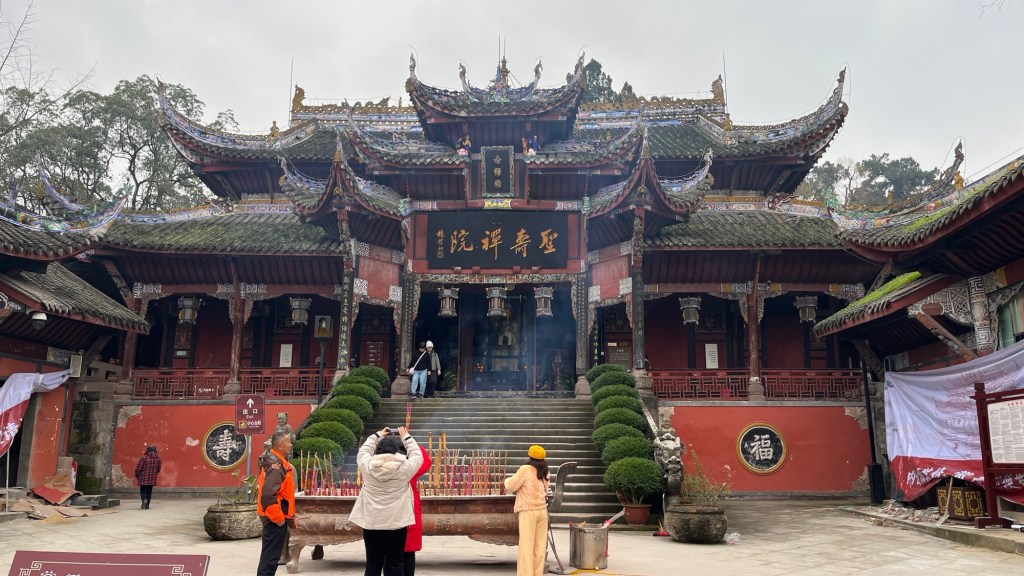
Categories: Travel
 I am just an ordinary guy in Singapore with a passion for Buddhism and I hope to share this passion with the community out there, across the world.


 Bodhi-Bowl

Reading about the Dazu Rock Carvings truly resonates—it shows how faith, devotion, and art can live on for centuries. The way Buddhism, Confucianism, and Daoist values were woven into the stone reminds me so much of the monasteries and heritage we have in Nepal.
In Kathmandu, places like Swayambhunath (the Monkey Temple) carry the same spirit—where every carving, prayer wheel, and stupa reflects people’s deep faith and hope for peace. Around Nepal, Buddhist culture is still very much alive in the daily practices of communities, from the chants in monasteries to the colorful prayer flags fluttering in the mountains.
The energy feels universal—whether at Dazu or in Kathmandu—the same message of compassion, impermanence, and shared humanity flows through. Completely resonating vibes that remind us how connected our cultures truly are.
https://www.himalayaheart.com/trip/luxury-everest-base-camp-trek-with-helicopter-return
LikeLiked by 1 person