

An advive from Luang Phor Doo
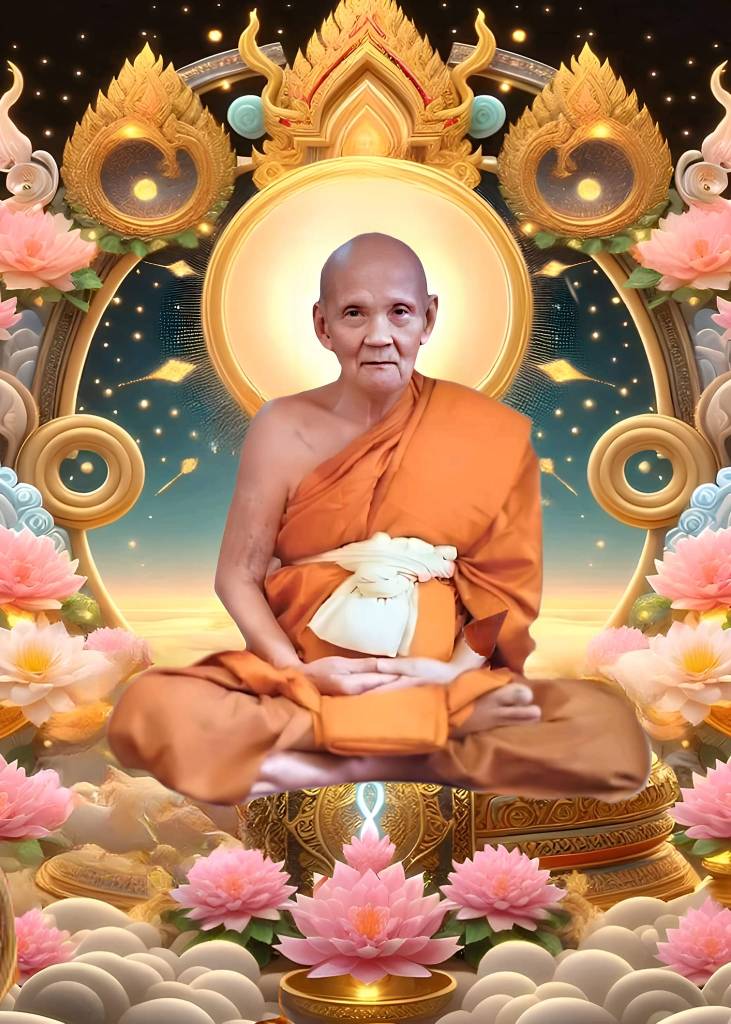
Luang Phor often highlighted the teachings of the Mangala Sutta, which outlines thirty-eight types of blessings. He regularly urged his disciples to practice diligently to experience true blessings. I wholeheartedly agree with this guidance because applying the Mangala Sutta in our daily lives is immensely beneficial. Sadly, many dismiss this sutta, saying, “Yeah, I know it; it’s just basic moral principles.” However, mastering a sutta is not about memorization. It involves living in alignment with its teachings and shaping our moral values accordingly.
In the Mangala Sutta, the Buddha also advises us to be mindful of our speech. Luang Pu often emphasized the importance of “right speech,” which involves speaking gently, kindly, and without causing harm to others. He explained that people frequently create negative karma or commit harmful deeds through their words because we often speak without thinking. Sadly, many of us are unaware of the severe consequences of harmful speech. A few unkind words can cause someone to hold a lifelong grudge, and sometimes a single conversation can hurt a friend so deeply that they stop speaking for years. It’s not uncommon for harsh words to escalate into fights or even tragic acts of violence.
Therefore, Luang Pu advised against speaking harshly. If someone insults us, he encouraged us to simply ignore them, as this will prevent escalation and keep things peaceful. Responding aggressively, on the other hand, will only lead to retaliation, prolonging the conflict indefinitely. Luang Pu also cautioned against being joy-killers or crushing other people’s dreams and plans, as some individuals rely on their hopes to stay motivated. If we frequently discourage or demoralize them, we will eventually face the consequences. He further warned that those who habitually use abusive language will swiftly face retribution, encountering both external conflicts and internal turmoil as a result of their words.
Bodhi-bowl: When our minds are habitually tuned to harsh speech, that inner voice in us will follow likewise. In that manner, the internal turmoil will slowly eat away at us.
People who frequently use harsh or abusive language will eventually find that those around them begin to dislike or even hate them, leading to deep frustration and unhappiness. As for negative physical or mental actions (karma), many people commit them unknowingly. When someone depletes their positive karma or uses up most of it, their negative karma begins to ripen, causing a series of unfortunate events. This can manifest as obstructive karma. For instance, they might buy a lottery ticket with the number 56, only for the winning number to be 55 or 57. Or, just when they’re about to close a business deal, something goes wrong at the last moment—delays, accidents, or unforeseen issues prevent the contract from being signed. In short, various obstacles will arise. Even though they may have performed good deeds in the past, which should have brought them a reward of over $10,000, they might end up receiving only a few thousand or even a few hundred dollars. This happens because their negative karma ripens, obstructing the full benefit of their good deeds.
Other examples of negative karma ripening include friends or family members taking advantage of them, leading to significant financial or emotional losses. They may be slandered by others, sparking disputes and quarrels, which then set off a chain of unpleasant events. Their children might begin to rebel or become difficult to guide, causing immense frustration. The younger generation may stop respecting or appreciating the elders, deepening the sense of discord. Severe financial losses may occur, leaving them in difficult circumstances. In the worst cases, they might even develop terminal illnesses like cancer or heart disease, all as a result of their accumulated negative karma.
Bodhi-bowl: Some people may find the above unbelievable. How can wrong thoughts, bad karma or even harsh speech lead to all that? To understand this, we need the wisdom to see the inter-relationship of internal and external circumstances. How our mental well-being, shape us and how we in turn interact with the world, which leads to how the world reacts to us.
Luang Pu said, “In any case, negative speech will lead to negative consequences. If we realize that our words often upset others or cause them to lose hope, we should stop immediately. If we don’t cease creating negative karma, retribution will follow us not only in this life but also into the next. Even after death, the suffering will continue in hell.” Luang Pu also remarked, “Good people should not slander others. If we engage in slander, we cannot truly be considered good people.”—Luang Pu Doo
Categories: Articles
 I am just an ordinary guy in Singapore with a passion for Buddhism and I hope to share this passion with the community out there, across the world.


 Bodhi-Bowl