
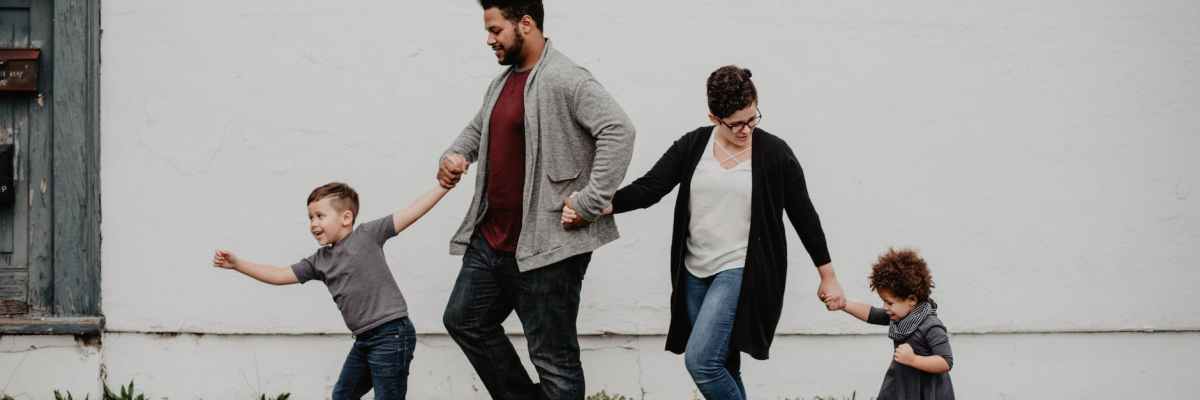
In the Sigalovada Sutta, Buddha taught about the various roles and responsibilities in life.
When we look at our relationships with people, we tend to label these relationships very neatly. For example, I am the father to my children. Or I am the teacher to my student. I am the employee and that is my boss. But is life really that simple? Will such attachment to roles be a source of pain?
Reflecting in this manner, I realized that Buddha was teaching one person (Sigalovada) all these roles. That means we wear many hats and each one of us plays multiple roles in life. The crux is to know what we are at different places and time.
Throughout our lives, we play various roles that shape our interactions and relationships with others. Whether as parents, children, partners, friends, or professionals, these roles define the dynamics and expectations within our connections. However, it is essential to recognize that roles are not static but evolve over time. In this article, we explore the importance of acknowledging and adapting to the fluidity of roles, particularly in the context of parenting and the transition to adult relationships with our children.
- Roles as Parents:
As parents, our primary role is to provide guidance, support, and care for our children. We nurture them, make decisions on their behalf, and play a protective role in their lives. During their formative years, children rely on us for guidance and structure. However, as they grow and develop their own identities, it becomes crucial to acknowledge their autonomy and respect their journey towards adulthood.
- Transition to Adult Relationships:
As our children mature, they seek independence, autonomy, and the freedom to make their own choices. It is at this point that the dynamics of the parent-child relationship begin to shift. While the love and connection remain, the need for parental authority and supervision diminishes. Our role as parents need to adapt to this changing landscape, allowing our children to express themselves as adults and be treated as equals. Unfortunately, most of us refuse to see this and we label our children as rebellious. We clash because we cling to our previous roles
- Mutual Respect and Friendship:
As our children desire to be seen as adults and equals, fostering a sense of mutual respect becomes paramount. Instead of holding onto traditional parental roles, we can embrace the transition by developing a friendship with our adult children. By actively listening, valuing their opinions, and involving them in decision-making processes, we create an environment of mutual understanding and respect.
- Maintaining Boundaries:
While transitioning from a parent-child dynamic to a more egalitarian relationship, it is crucial to maintain healthy boundaries. Respect for each other’s boundaries allows for a balanced and harmonious connection. However, boundaries are not automatic and this becomes another area for countless headaches because expectations differ between parent and child. It is therefore important for us to be patient and open-minded. Loving-Kindness and mutual respect become extremely important.
- Evolving Roles and Lifelong Connections:
Recognizing the fluidity of roles in our relationships helps us navigate the changes with grace and openness. Embracing the concept that our roles will continue to evolve throughout life enables us to foster lifelong connections with our adult children. As friends, we can celebrate their achievements, share joys and sorrows, and provide support when needed, all while honoring their autonomy and individuality.
Conclusion:
Acknowledging the fluidity or impermanence of roles in our lives is crucial for nurturing healthy relationships, particularly during the transition from parent-child dynamics to adult connections with our children. As parents, we can embrace this evolution by cultivating mutual respect, fostering friendships, and maintaining boundaries. By recognizing the changing needs and aspirations of our adult children, we create space for growth, independence, and authentic connections that endure throughout life’s journey. Embracing the beauty of evolving roles enriches our relationships, allowing them to thrive as we navigate the ever-changing landscape of human connection.
May all be well and happy.
Categories: Articles
 I am just an ordinary guy in Singapore with a passion for Buddhism and I hope to share this passion with the community out there, across the world.


 Bodhi-Bowl